Introduction
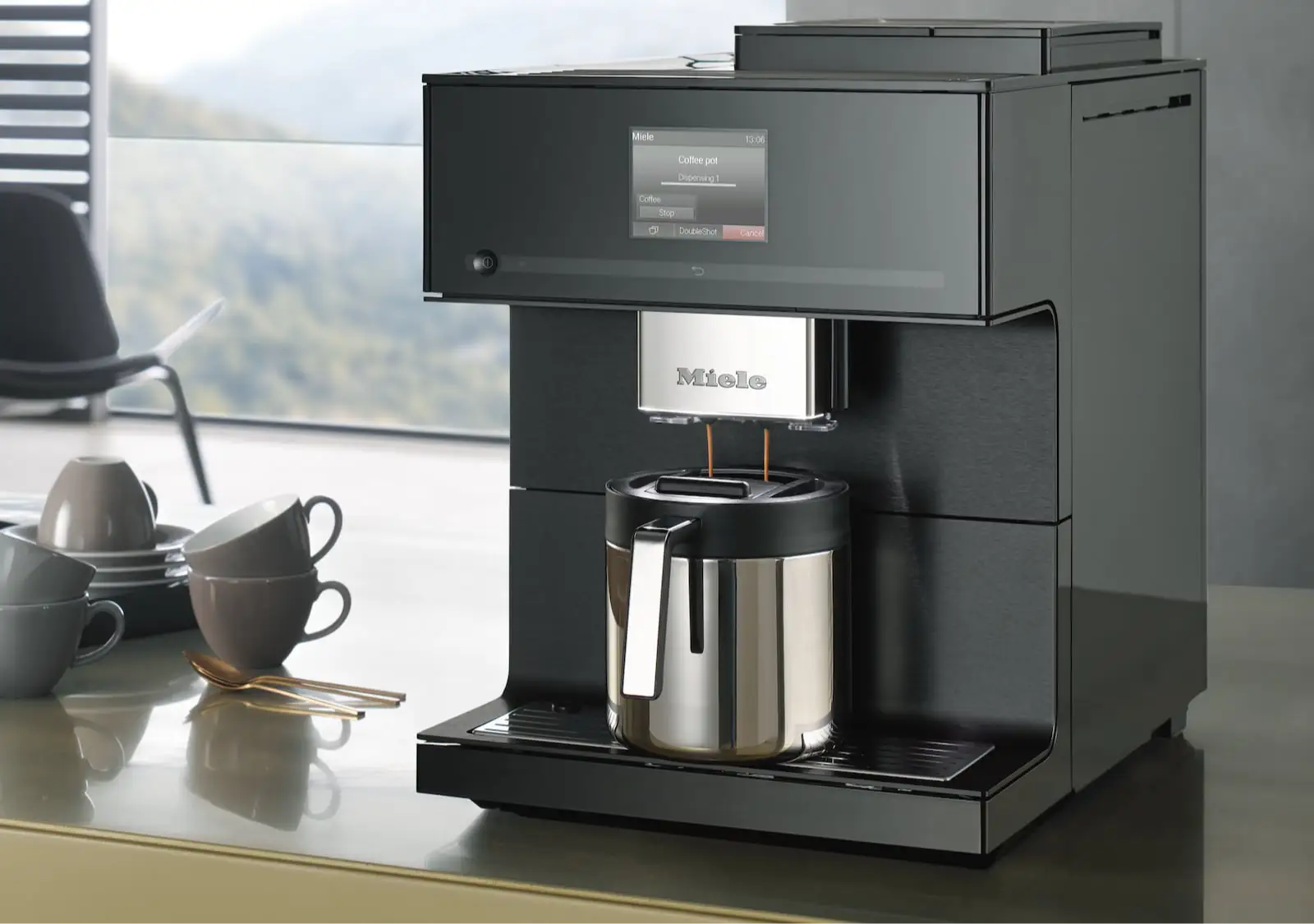
Built-in and countertop coffee machines from the Miele range deliver barista-quality beverages at home. These sophisticated appliances combine precision engineering with user-friendly operation, but regular use inevitably demands maintenance and occasional repair. This expert guide covers the most common faults, step-by-step fixes, and best practices for keeping your machine in top form.
Beverage Quality Issues
Watery or thin espresso is most often caused by a grind that is too coarse. Adjust the built-in grinder incrementally toward a finer setting and pull a test shot after each change. Also confirm that you are using freshly roasted beans; coffee loses aroma and crema potential within two to four weeks of opening the bag.
A bitter or burnt taste usually signals scale buildup on the heating element. Limescale raises the brew temperature above the optimal 90 to 96 degree Celsius window. Run a descaling cycle every one to two months, or whenever the machine prompts you, using only the manufacturer-recommended descaling agent.
Weak or absent crema on espresso can point to insufficient brew-group pressure, stale beans, or a dirty brew unit that is not forming a proper seal around the coffee puck. Removing and rinsing the brew unit often restores normal crema immediately.
Water and Steam System Faults
Weak water flow or no water at all is a common complaint, frequently caused by a clogged water filter or an air lock in the hydraulic circuit. Remove and rinse the water filter, then run a water-only cycle to purge trapped air. For plumbed-in models, verify that the household water pressure falls within the recommended one to ten bar range.
A milk frother that fails to produce microfoam needs thorough cleaning. Milk proteins dry rapidly and block the narrow steam channels. Disassemble the milk tube, soak all removable parts in warm water, and use the dedicated milk-system cleaning agent after every day of use.
Water pooling beneath the machine may indicate a cracked hose, worn O-ring seals, or an overflowing drip tray. Empty and inspect the tray regularly, and examine all visible hose connections for tightness.
Error Codes and Electronics
Today’s machines include extensive self-diagnostic routines. A persistent “Fill Beans” alert despite a full hopper often means the bean-level sensor is stuck or coated with coffee oil; carefully wipe it clean. Brew-unit errors are frequently resolved by removing the brew group, rinsing it under running water, and reseating it with a firm click.
If the machine will not power on at all, check the household circuit breaker and, for built-in models, make sure the furniture door is fully closed. Many integrated units have a door-position sensor that disables operation when the door is ajar.
Recurring error codes that survive a power reset generally indicate a component-level failure, such as a faulty flow meter, a defective pump, or a damaged control board, all of which call for professional repair.
Routine Maintenance Schedule
The brew unit is the heart of the machine. Remove it weekly, rinse under warm water without detergent, and allow it to air-dry completely before reinserting. Monthly, run an automatic cleaning cycle using the recommended cleaning tablets to dissolve accumulated coffee oils.
Every two to three months, apply a thin coat of food-grade silicone grease to the brew-unit guide rails. This prevents binding and extends the mechanism’s lifespan. Keep the grounds container and drip tray clean, emptying both before they reach capacity to avoid overflow alerts and bacterial growth.
Descale on the schedule your machine dictates, factoring in local water hardness. Hard water areas may require descaling as often as every three to four weeks.