Introduction
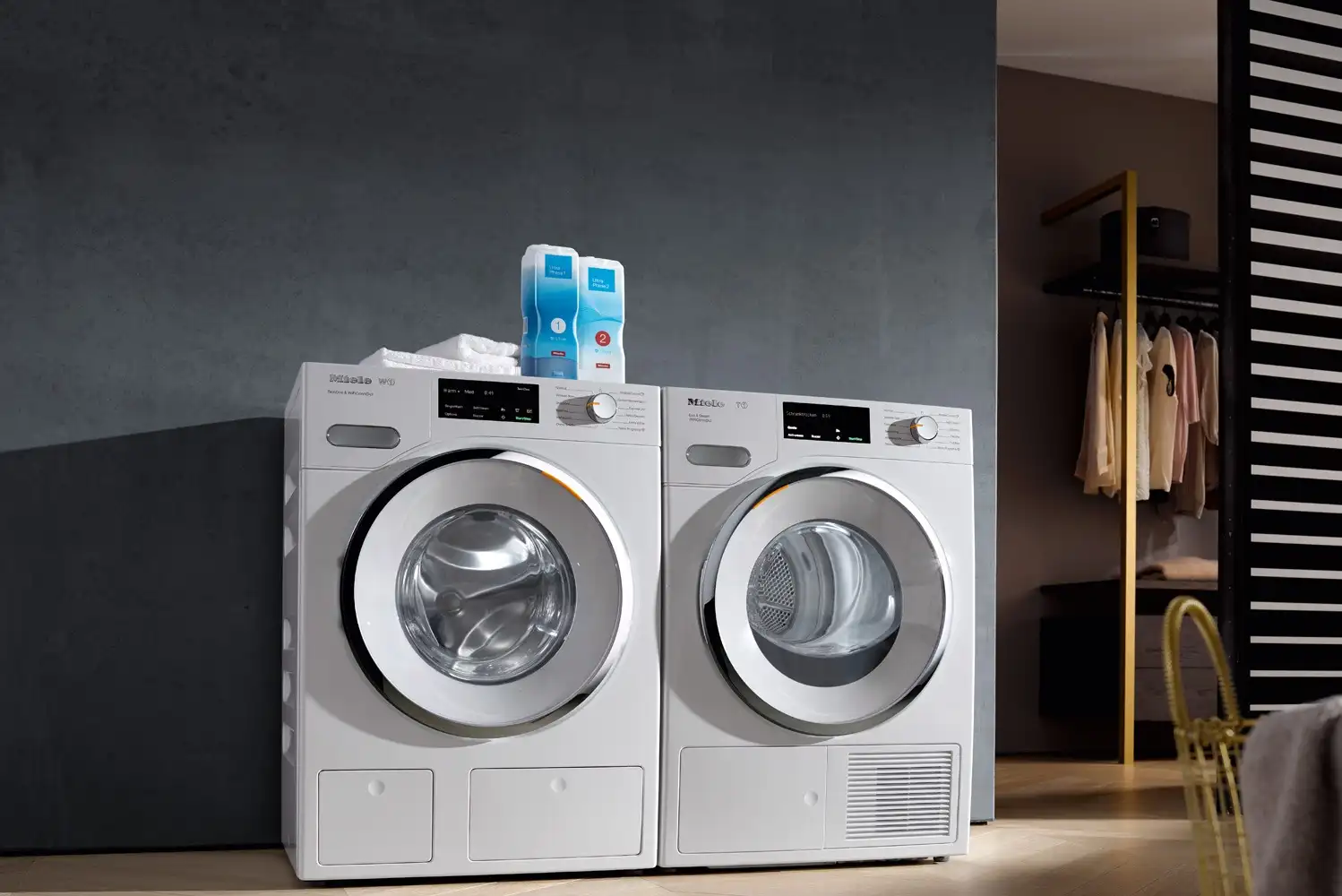
Dryers engineered by Miele are built for exceptional performance and durability, but proper maintenance and timely repairs ensure they continue operating at peak efficiency for decades. This guide covers the most frequent issues owners encounter, practical diagnostic steps, and preventive care strategies.
Clothes Not Drying Properly
Damp laundry at the end of a cycle is the number-one complaint, and the lint filter is almost always the first thing to check. A clogged filter restricts airflow through the drum and can add significant time to every load. Clean it after each and every cycle.
In heat-pump and condenser models, also inspect the heat exchanger, located behind the lower access panel. Lint and fine dust accumulate on its fins over time, reducing thermal efficiency. Rinse or vacuum the exchanger every three to four months.
For vented models, examine the external duct. A kinked, crushed, or lint-packed duct starves the dryer of exhaust capacity. Total duct length and the number of elbows directly affect performance; schedule a professional duct cleaning at least once a year.
Finally, faulty moisture sensors inside the drum can cause premature cycle termination. These metal strips detect residual dampness and signal the control board to stop. Clean them with a cloth dampened in white vinegar to remove mineral deposits that insulate the sensor surface.
Unusual Sounds and Vibration
Thumping during drum rotation often results from small objects, such as coins or buttons, lodged between the drum and the cabinet. Inspect the area around the door seal and retrieve any foreign items. Squealing or high-pitched screeching usually indicates a worn drive belt or deteriorating drum bearings.
Excessive vibration is commonly caused by an uneven installation or an overloaded drum. Place a spirit level on top of the machine and adjust the feet until perfectly horizontal. Always load laundry according to the recommended maximum capacity, typically about two-thirds full for optimal tumbling and minimal vibration.
Electronic and Control Problems
When the dryer refuses to start, verify that the door is firmly latched; the door interlock must engage before the control board will initiate a program. In condenser models, also confirm that the condensate reservoir has been emptied and that the drain hose is not kinked.
A flickering display or randomly activating buttons can point to a glitch in the electronic control module. Unplug the appliance for fifteen minutes to perform a hard reset. If symptoms recur, the main PCB may require replacement, a job best left to an authorized service engineer.
Error codes vary by model. Common ones include F06 for a door-lock fault, F15 for a blocked condenser, and F66 for a communication failure between boards. Always note the exact code before contacting support.
Tips for Extending Service Life
Avoid overloading the drum: optimal fill is roughly two-thirds of maximum capacity. Use lower-temperature programs for delicate fabrics to reduce wear on both the textiles and the heating element. Periodically run an empty cycle at the highest heat setting to eliminate bacteria and odors.
Check the power cord and plug for signs of wear or overheating at least once a year. Ensure the dryer sits on a stable, level surface and is not in direct contact with a washing machine, as transmitted vibration accelerates component fatigue. Keeping a simple maintenance log helps you stay on schedule and provides useful history for any service visit.