Introduction
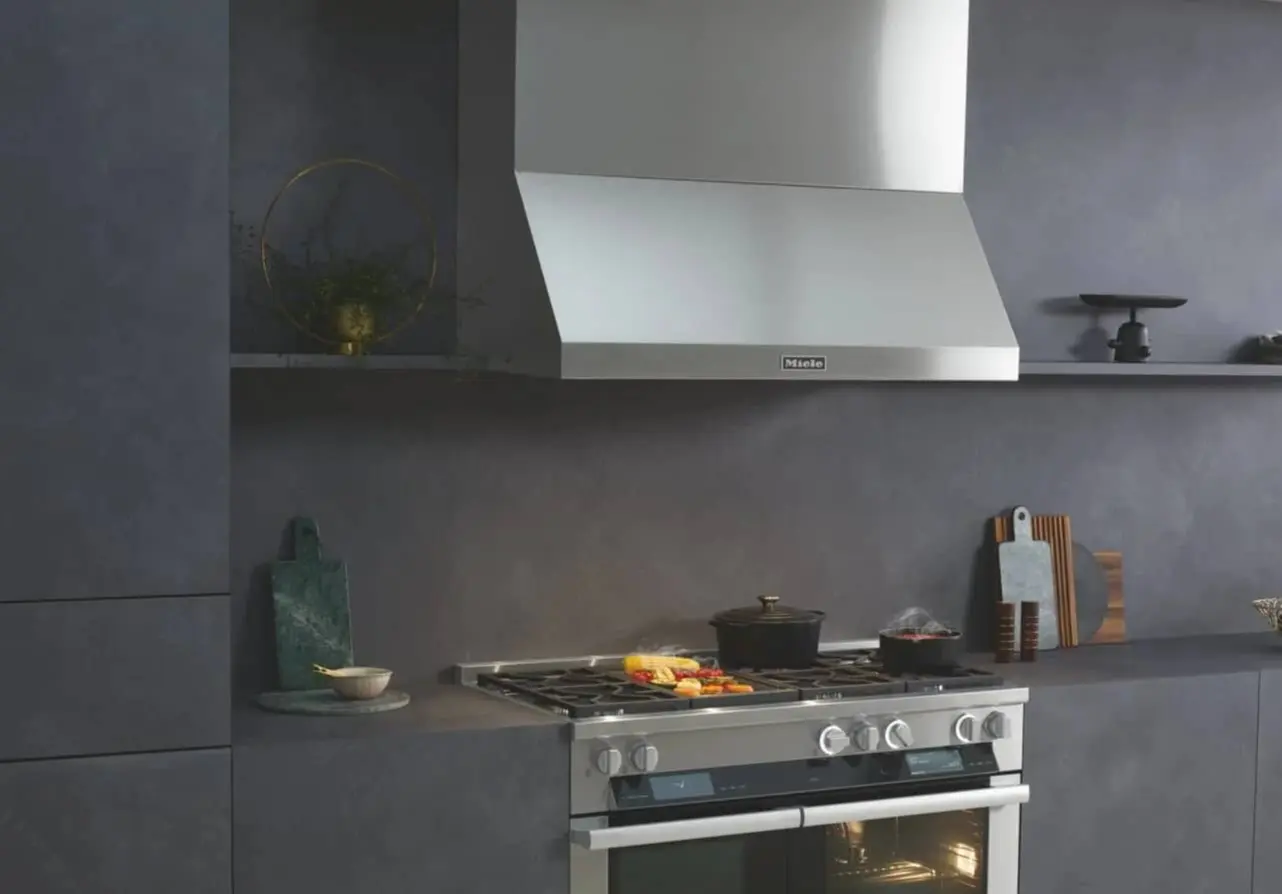
Premium range hoods combine powerful ventilation with sophisticated design and quiet operation. Whether you have a wall-mounted, island, downdraft, or built-in model from the Miele lineup, even the most reliable appliances may eventually require maintenance. This comprehensive guide walks you through common issues, diagnostic steps, and repair solutions to keep your ventilation system performing at its best.
Reduced Suction Power
A noticeable drop in extraction performance is the most frequently reported concern among owners. In the vast majority of cases, the culprit is a clogged grease filter. Metal mesh filters should be cleaned in the dishwasher every four to eight weeks, while activated charcoal filters used in recirculation setups need replacing every six to twelve months, depending on how often you cook.
If cleaning the filters does not restore adequate airflow, inspect the ductwork for obstructions, kinks, or excessive length. Every 90-degree elbow in the duct system reduces efficiency by roughly 10 to 15 percent. An annual professional duct cleaning is recommended for heavily used kitchens.
Also check the flap valve at the exterior wall outlet. Grease buildup or debris can prevent it from opening fully, effectively choking the exhaust path even when the fan motor is working correctly.
Unusual Noise During Operation
Rattling or buzzing sounds often indicate loose mounting hardware. Verify that all screws securing the hood to the wall or ceiling bracket are tight, and confirm the unit sits level. A slight tilt can cause internal components to vibrate against the housing.
A grinding or whining noise typically points to worn fan motor bearings. This is a progressive issue: early intervention with lubrication may buy some time, but eventual motor replacement is usually necessary. If the noise appears only at higher speed settings, a damaged or unbalanced fan blade could be responsible. Inspect the blade for cracks, grease deposits, or warping.
Humming without fan rotation is a classic symptom of a seized motor. Disconnect the power, attempt to turn the fan manually, and if it resists, the motor assembly will need to be replaced.
Control Panel and Lighting Issues
Modern hoods feature touch-sensitive controls and electronic speed regulators. Unresponsive buttons or erratic behavior after a power surge can often be resolved by disconnecting the appliance from the mains for ten to fifteen minutes and then reconnecting it. This resets the control board and clears temporary faults.
Persistent display errors or blinking indicator lights usually correspond to diagnostic codes. Common codes include F1 for motor failure, F2 for a temperature sensor fault, and F3 for communication errors between circuit boards. Consult the user manual for your specific model, and contact an authorized technician if the code reappears after a reset.
Lighting problems are generally straightforward: replace halogen bulbs or LED modules with the exact specification listed in the manual. If new bulbs still do not illuminate, the switch or the driver board may be defective.
Preventive Maintenance
Regular upkeep dramatically extends the service life of your ventilation system. Wipe exterior stainless-steel surfaces monthly with a soft cloth and a mild, non-abrasive cleaner, always following the grain of the steel to avoid scratching.
Once a year, perform a full inspection: examine the ductwork for joint separation or corrosion, test the backdraft damper for free movement, and confirm that all electrical connections are secure. For recirculating models, timely charcoal filter replacement is critical to maintaining indoor air quality.
Keep a maintenance log noting filter changes, cleanings, and any issues observed. This record is invaluable when scheduling professional service or filing a warranty claim.
When to Call a Professional
Certain faults should only be addressed by a certified technician. These include complete loss of motor power when the electrical supply is confirmed, a burning smell emanating from the motor housing, visible wiring damage, and error codes that persist after a reset. Using an authorized service center ensures genuine replacement parts and preserves the manufacturer warranty.